
How Sports Brands Use Custom Hockey Jerseys to Boost Engagement and Win Fans
In today’s sports world, fan engagement is no longer driven only by performance on the ice. Teams, brands, and sponsors are finding new ways to connect with audiences through design, merchandise, and personalized experiences. Among these tools, custom hockey jerseys have become one of the most powerful and visible assets for building identity and strengthening fan loyalty.
Custom jerseys go beyond simple team uniforms. They create emotional connections, bring communities together, and offer brands unique opportunities to stand out in a competitive sports market. Here’s how sports brands are using custom hockey jerseys to score big with fans.
1. Creating a Strong and Recognizable Team Identity
A team’s jersey is often the first visual element fans associate with a club. Custom hockey jerseys allow teams to incorporate their own colors, logos, mascots, and design themes in a way that feels authentic and memorable.
From bold color blocking to creative patterns, teams now treat their jerseys as an extension of their story. A well-designed jersey helps fans instantly recognize the team—both on the ice and in promotional materials. This clarity of identity helps grow fan bases and strengthens team branding across social media, merchandise, and events.
2. Turning Fans Into Part of the Team
One of the biggest advantages of custom jerseys is the sense of belonging they create. When fans wear the same design as their favorite players, they feel more connected to the club.
This emotional bond increases:
Match attendance
Social media engagement
Merchandise sales
Long-term loyalty
Whether it’s a child wearing their first jersey or a long-time fan adding a new kit to their collection, custom hockey jerseys play a major role in strengthening community spirit.
3. Giving Sponsors Higher Visibility and More Value
Sponsors also benefit from custom jersey design. Hockey jerseys provide premium visibility spots for brand logos, especially during games, interviews, highlight reels, and promotional photos.
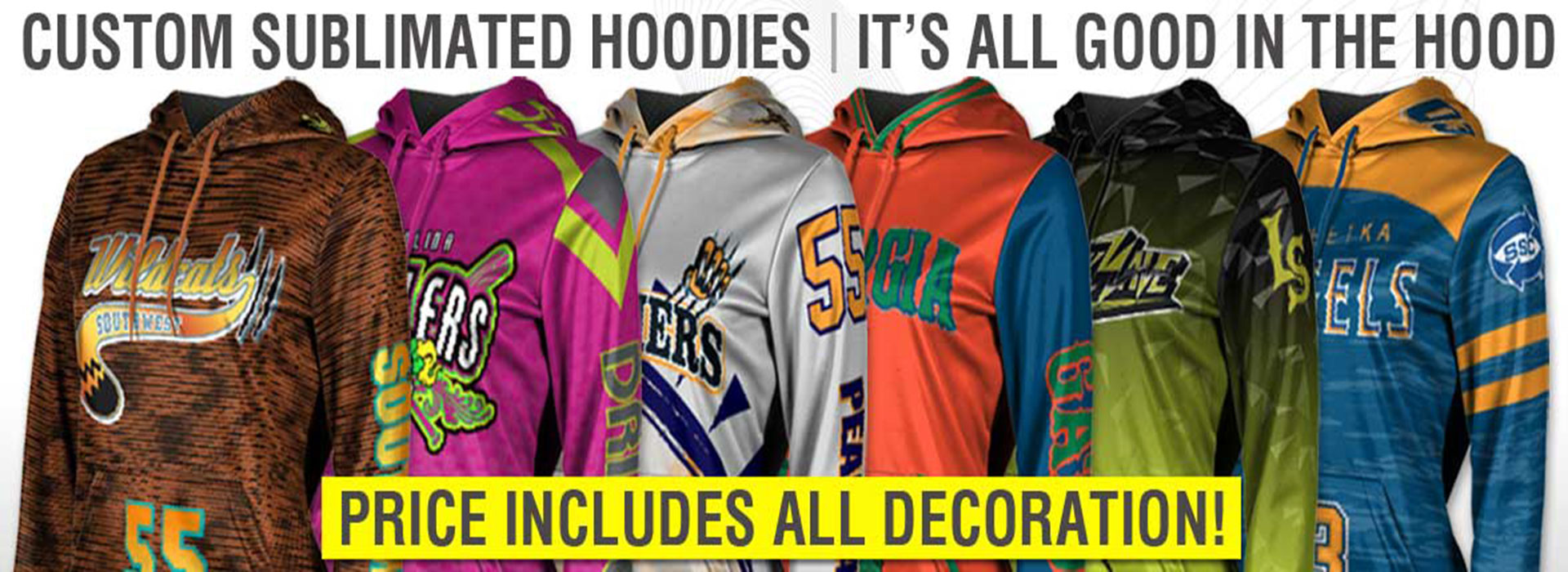
With sublimation printing, logos stay sharp and vibrant without fading, ensuring long-term exposure.
Custom placements—such as shoulder badges, chest logos, or sleeve graphics—allow sponsors to integrate their branding naturally into the team’s identity. This makes sponsorship more attractive, helping teams secure better partnerships.
4. Offering Personalized Options for Fans
Modern fans expect personalization. Custom hockey jerseys meet this demand by allowing buyers to add:
Their name
Their favorite player’s name
Chosen numbers
Custom colors or limited-edition graphics
Limited-edition drops, anniversary editions, and special-event jerseys often create excitement and help teams boost revenue. These collectible jerseys also travel far on social media as fans proudly share their unique designs online.
5. Enhancing Competitive Events and Special Programs
For tournaments, youth leagues, charity games, and corporate events, custom hockey jerseys make the experience more organized and memorable. Teams look more professional, players feel more motivated, and the event gains visual impact.
Brands that sponsor these events also gain extra exposure when participants keep wearing the jerseys afterward—turning each player into a moving advertisement.
6. Why Custom Hockey Jerseys Are a Growing Trend
Sports brands are investing more in custom hockey jerseys because they combine three key benefits:
Brand power: Strong visual identity and better recognition
Fan engagement: Closer emotional connection and higher satisfaction
Marketing value: Increased visibility for teams and sponsors
As digital platforms continue to grow, jerseys featured in photos, videos, and live streams become even more important. A great design doesn’t just stay on the ice—it lives online and keeps the brand circulating long after the game ends.
7. Final Thoughts
Custom hockey jerseys are more than sportswear—they’re a powerful marketing and fan engagement tool. From enhancing team identity to boosting sponsor visibility and offering personalized experiences, they play a major role in today’s sports ecosystem.
Teams, brands, and organizations that invest in thoughtful, high-quality custom jersey designs can create stronger fan communities, increase merchandise sales, and elevate their presence both online and offline.
Here we explore how chains like Penny, Lidl and Kaufland are rethinking the rules of sponsorship, using virtual advertising to put themselves at the heart of the action, on-screen and in-store

86-0755 28512583
86-13265602400

sales@doosansports.com